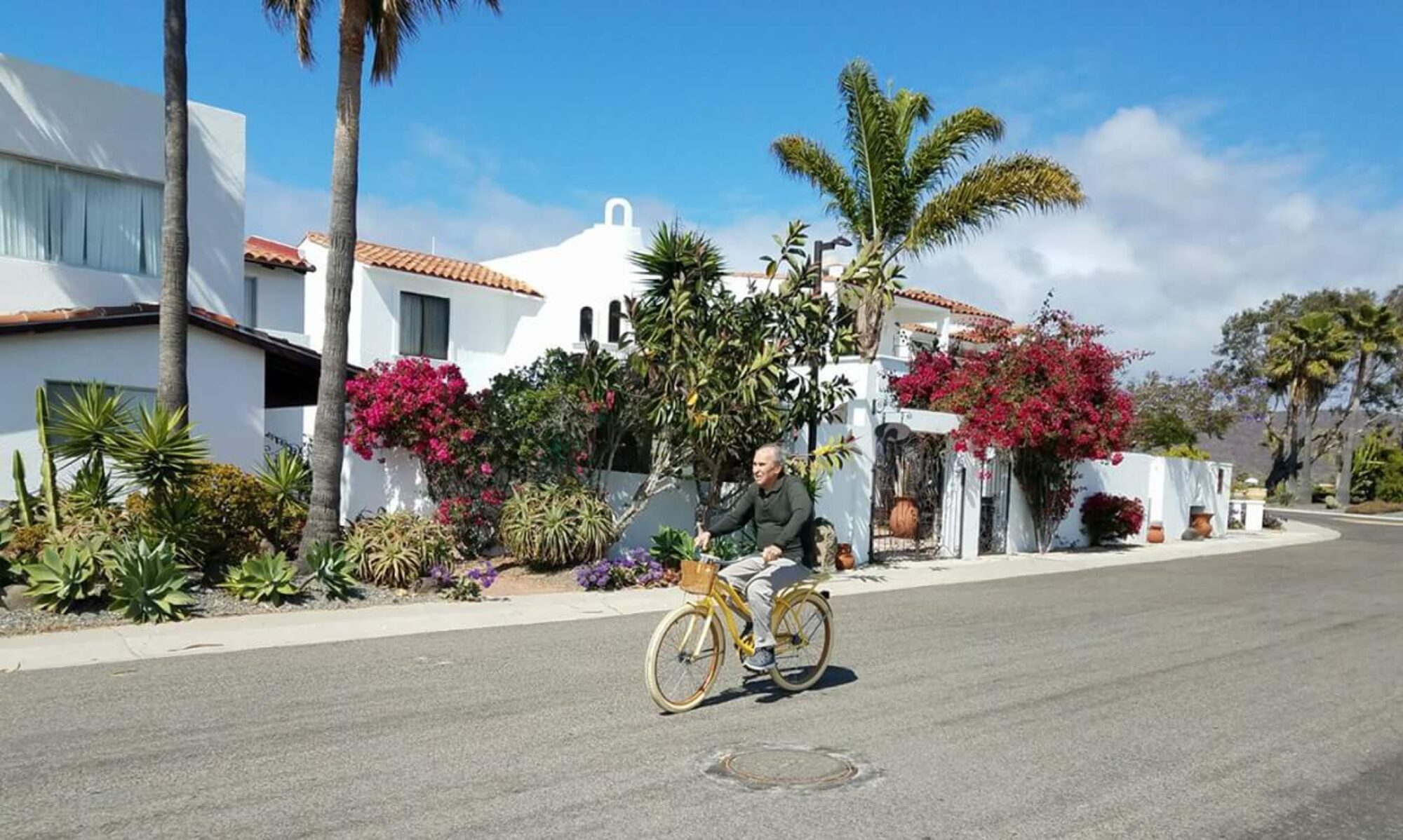



Mexico has long been a siren call for retirees seeking a vibrant, affordable, and culturally rich alternative to their home countries. From its stunning coastlines to its bustling colonial cities, the appeal is undeniable. However, like any major life change, retiring in Mexico comes with its own set of advantages and disadvantages. Let’s delve into a detailed exploration to help you decide if a Mexican retirement is right for you.
The Allure: Pros of Retiring in Mexico
1. Cost of Living: More Bang for Your Buck
Perhaps the most significant draw for many retirees is the dramatically lower cost of living. Your retirement savings and pension can stretch considerably further in Mexico.
- Housing: Rent for a comfortable apartment or even a small house in many desirable areas can be a fraction of what you’d pay in the U.S. or Canada.
- Food: Fresh, local produce is abundant and inexpensive. Eating out, from street tacos to upscale dining, is generally very affordable.
- Utilities: While electricity can be high in some areas, overall utility costs are often lower.
- Labor & Services: Hiring domestic help, gardeners, or even skilled tradespeople is much more economical.
- Transportation: Public transport is cheap, and gasoline costs, while fluctuating, can still be less than in some countries.
2. Health Care Availability and Affordability
Mexico boasts a robust and surprisingly affordable healthcare system, particularly in larger cities and popular expat destinations.
- Quality: Many private hospitals and clinics offer state-of-the-art facilities and highly trained, often U.S. or European-trained, medical professionals.
- Cost: Out-of-pocket costs for doctor visits, prescriptions, and even surgeries are significantly lower than in the U.S.
- Insurance: Private health insurance specifically for Mexico is available and generally more affordable than comparable plans in other countries. Many expats also use a combination of private insurance and out-of-pocket payments.
- Ease of Access: Appointments are often easy to get, and waiting times are minimal.
3. Quality of Life: A Rich Tapestry of Experiences
Beyond the financial benefits, Mexico offers an enhanced quality of life for many.
- Climate: Diverse climates range from perpetual spring in the highlands to warm, tropical weather on the coasts.
- Culture: A rich, ancient culture permeates daily life, offering endless opportunities for exploration, learning, and immersion.
- Food: World-renowned cuisine that is fresh, diverse, and incredibly flavorful.
- Pace of Life: Often slower and more relaxed than in many Western countries, encouraging a greater sense of enjoyment and less stress.
- Natural Beauty: From pristine beaches and vibrant coral reefs to majestic mountains and ancient ruins, Mexico’s natural landscapes are breathtaking.

4. Vibrant Social Life and Expat Communities
Mexico is home to large, established expat communities in popular destinations like San Miguel de Allende, Lake Chapala, Puerto Vallarta, and Mérida.
- Instant Community: It’s easy to connect with fellow retirees who share similar backgrounds and experiences.
- Activities: Expat communities often organize clubs, events, volunteer opportunities, and social gatherings, making it easy to build a new social circle.
- Cultural Exchange: Opportunities to interact with locals and participate in Mexican traditions and festivities.
5. Purchasing Real Estate: An Investment Opportunity
Many expats choose to purchase property in Mexico, which can be a sound investment.
- Process: While different from other countries, the process is well-established, especially for foreign buyers.
- Fideicomiso: In restricted zones (coastal and border areas), foreigners can safely own property through a bank trust (fideicomiso).
- Value: Property values in desirable areas have seen steady appreciation, offering potential for capital gains.
The Realities: Cons of Retiring in Mexico
1. Adjusting to a New Culture and Language Barrier
While exciting, cultural immersion can also be challenging.
- Language: Spanish is the official language. While English is spoken in tourist areas and by many expats, daily life will be significantly easier and richer if you make an effort to learn Spanish.
- Cultural Differences: “Mañana” culture, different bureaucratic processes, and varying social norms can be frustrating for those accustomed to a more rigid or efficient system.
- “Mexican Time”: Punctuality is often more flexible, which can be a tough adjustment for some.
2. Bureaucracy and Residency Requirements
Navigating Mexican immigration and legal systems can be complex.
- Visas: Obtaining a temporary or permanent resident visa is necessary for long-term stays, requiring documentation and patience.
- Paperwork: Expect a fair amount of paperwork and multiple trips to government offices.
- Financial Proof: You’ll need to demonstrate sufficient financial resources to support yourself without working.
3. Safety Concerns
Mexico’s reputation regarding safety is often a concern for potential retirees.
-
- Regional Differences: It’s crucial to understand that safety varies significantly by region. Many expat destinations are very safe.
- Media Portrayal: International news often focuses on cartel violence, which tends to be concentrated in specific areas and generally does not affect tourists or expats in established communities.
- Common Sense: As anywhere, exercising caution, avoiding certain areas, and being aware of your surroundings are important.
- Regional Differences: It’s crucial to understand that safety varies significantly by region. Many expat destinations are very safe.
- Media Portrayal: International news often focuses on cartel violence, which tends to be concentrated in specific areas and generally does not affect tourists or expats in established communities.
- Common Sense: As anywhere, exercising caution, avoiding certain areas, and being aware of your surroundings are important.
- Regional Differences: It’s crucial to understand that safety varies significantly by region. Many expat destinations are very safe.
- Media Portrayal: International news often focuses on cartel violence, which tends to be concentrated in specific areas and generally does not affect tourists or expats in established communities.
- Common Sense: As anywhere, exercising caution, avoiding certain areas, and being aware of your surroundings are important.
4. Distance from Family and Friends
While Mexico is relatively close to the U.S. and Canada, being an international move can still mean significant distance from loved ones.
- Travel Costs: Regular visits can become expensive.
- Emergency Situations: Being far away during family emergencies can be difficult.
5. Healthcare Limitations (in some areas)
While good in major cities, healthcare access and quality can be more limited in very rural or remote areas.
- Specialists: You may need to travel to a larger city for specialized medical care.
- Emergency Services: Response times and availability of ambulances can vary.
Preparing for a Mexican Retirement
Making the leap to retire in Mexico requires careful planning and preparation.
- Do Your Research: Read blogs, join expat forums (e.g., Facebook groups), and consume as much information as possible about specific locations.
- Visit Extensively: Before committing, spend extended periods (months, not just weeks) in your potential retirement location during different seasons. Rent an Airbnb, live like a local, and get a feel for daily life.
- Learn Spanish: Even basic Spanish will dramatically improve your experience and ease your transition. Consider online courses or an immersion program.
- Understand Visa Requirements: Familiarize yourself with the financial requirements and application process for a temporary or permanent resident visa. Consult with an immigration attorney if necessary.
- Assess Your Finances: Create a detailed budget for your potential Mexican lifestyle. Factor in healthcare costs, travel, and unexpected expenses.
- Healthcare Plan: Research private insurance options or understand how you’ll manage healthcare costs. Discuss your options with a cross-border insurance specialist.
- Connect with Expats: Reach out to expats already living in your chosen area. Their insights and advice are invaluable.
- Downsize and De-clutter: Moving internationally is a great opportunity to shed possessions. Decide what you truly need and what can be sold or donated.
- Legal and Financial Advice: Consult with professionals knowledgeable about international tax laws, estate planning, and property ownership in Mexico.
Retiring in Mexico offers an incredible opportunity for a fulfilling and vibrant next chapter. By understanding both its considerable advantages and its potential challenges, and by preparing thoroughly, you can pave the way for a successful and enjoyable transition.
Can you add some royalty free photos of Baja California to this article for each main section to enhance it
Okay, I can definitely add some royalty-free photos to enhance the article! I’ll place an image for each of the main “Pros” and “Cons” sections, as well as one for the introduction and conclusion, where appropriate.
Considering Retirement in Mexico: A Detailed Look at the Pros and Cons
Mexico has long been a siren call for retirees seeking a vibrant, affordable, and culturally rich alternative to their home countries. From its stunning coastlines to its bustling colonial cities, the appeal is undeniable. However, like any major life change, retiring in Mexico comes with its own set of advantages and disadvantages. Let’s delve into a detailed exploration to help you decide if a Mexican retirement is right for you.

The Allure: Pros of Retiring in Mexico
1. Cost of Living: More Bang for Your Buck
Perhaps the most significant draw for many retirees is the dramatically lower cost of living. Your retirement savings and pension can stretch considerably further in Mexico.
- Housing: Rent for a comfortable apartment or even a small house in many desirable areas can be a fraction of what you’d pay in the U.S. or Canada.
- Food: Fresh, local produce is abundant and inexpensive. Eating out, from street tacos to upscale dining, is generally very affordable.
- Utilities: While electricity can be high in some areas, overall utility costs are often lower.
- Labor & Services: Hiring domestic help, gardeners, or even skilled tradespeople is much more economical.
- Transportation: Public transport is cheap, and gasoline costs, while fluctuating, can still be less than in some countries.

2. Health Care Availability and Affordability
Mexico boasts a robust and surprisingly affordable healthcare system, particularly in larger cities and popular expat destinations.
- Quality: Many private hospitals and clinics offer state-of-the-art facilities and highly trained, often U.S. or European-trained, medical professionals.
- Cost: Out-of-pocket costs for doctor visits, prescriptions, and even surgeries are significantly lower than in the U.S.
- Insurance: Private health insurance specifically for Mexico is available and generally more affordable than comparable plans in other countries. Many expats also use a combination of private insurance and out-of-pocket payments.
- Ease of Access: Appointments are often easy to get, and waiting times are minimal.

3. Quality of Life: A Rich Tapestry of Experiences
Beyond the financial benefits, Mexico offers an enhanced quality of life for many.
- Climate: Diverse climates range from perpetual spring in the highlands to warm, tropical weather on the coasts.
- Culture: A rich, ancient culture permeates daily life, offering endless opportunities for exploration, learning, and immersion.
- Food: World-renowned cuisine that is fresh, diverse, and incredibly flavorful.
- Pace of Life: Often slower and more relaxed than in many Western countries, encouraging a greater sense of enjoyment and less stress.
- Natural Beauty: From pristine beaches and vibrant coral reefs to majestic mountains and ancient ruins, Mexico’s natural landscapes are breathtaking.

4. Vibrant Social Life and Expat Communities
Mexico is home to large, established expat communities in popular destinations like San Miguel de Allende, Lake Chapala, Puerto Vallarta, and Mérida.
- Instant Community: It’s easy to connect with fellow retirees who share similar backgrounds and experiences.
- Activities: Expat communities often organize clubs, events, volunteer opportunities, and social gatherings, making it easy to build a new social circle.
- Cultural Exchange: Opportunities to interact with locals and participate in Mexican traditions and festivities.

5. Purchasing Real Estate: An Investment Opportunity
Many expats choose to purchase property in Mexico, which can be a sound investment.
- Process: While different from other countries, the process is well-established, especially for foreign buyers.
- Fideicomiso: In restricted zones (coastal and border areas), foreigners can safely own property through a bank trust (fideicomiso).
- Value: Property values in desirable areas have seen steady appreciation, offering potential for capital gains.

The Realities: Cons of Retiring in Mexico
1. Adjusting to a New Culture and Language Barrier
While exciting, cultural immersion can also be challenging.
- Language: Spanish is the official language. While English is spoken in tourist areas and by many expats, daily life will be significantly easier and richer if you make an effort to learn Spanish.
- Cultural Differences: “Mañana” culture, different bureaucratic processes, and varying social norms can be frustrating for those accustomed to a more rigid or efficient system.
- “Mexican Time”: Punctuality is often more flexible, which can be a tough adjustment for some.

2. Bureaucracy and Residency Requirements
Navigating Mexican immigration and legal systems can be complex.
- Visas: Obtaining a temporary or permanent resident visa is necessary for long-term stays, requiring documentation and patience.
- Paperwork: Expect a fair amount of paperwork and multiple trips to government offices.
- Financial Proof: You’ll need to demonstrate sufficient financial resources to support yourself without working.

3. Safety Concerns
Mexico’s reputation regarding safety is often a concern for potential retirees.
- Regional Differences: It’s crucial to understand that safety varies significantly by region. Many expat destinations are very safe.
- Media Portrayal: International news often focuses on cartel violence, which tends to be concentrated in specific areas and generally does not affect tourists or expats in established communities.
- Common Sense: As anywhere, exercising caution, avoiding certain areas, and being aware of your surroundings are important.

4. Distance from Family and Friends
While Mexico is relatively close to the U.S. and Canada, being an international move can still mean significant distance from loved ones.
- Travel Costs: Regular visits can become expensive.
- Emergency Situations: Being far away during family emergencies can be difficult.

Use photos from Northern Baja
Considering Retirement in Mexico: A Detailed Look at the Pros and Cons
Mexico has long been a siren call for retirees seeking a vibrant, affordable, and culturally rich alternative to their home countries. From its stunning coastlines to its bustling colonial cities, the appeal is undeniable. However, like any major life change, retiring in Mexico comes with its own set of advantages and disadvantages. Let’s delve into a detailed exploration to help you decide if a Mexican retirement is right for you. http://googleusercontent.com/image_collection/image_retrieval/3430865905034442824_0
The Allure: Pros of Retiring in Mexico
1. Cost of Living: More Bang for Your Buck
Perhaps the most significant draw for many retirees is the dramatically lower cost of living. Your retirement savings and pension can stretch considerably further in Mexico.
- Housing: Rent for a comfortable apartment or even a small house in many desirable areas can be a fraction of what you’d pay in the U.S. or Canada.
- Food: Fresh, local produce is abundant and inexpensive. Eating out, from street tacos to upscale dining, is generally very affordable.
- Utilities: While electricity can be high in some areas, overall utility costs are often lower.
- Labor & Services: Hiring domestic help, gardeners, or even skilled tradespeople is much more economical.
- Transportation: Public transport is cheap, and gasoline costs, while fluctuating, can still be less than in some countries. Opens in a new window www.youtube.com
2. Health Care Availability and Affordability
Mexico boasts a robust and surprisingly affordable healthcare system, particularly in larger cities and popular expat destinations.
- Quality: Many private hospitals and clinics offer state-of-the-art facilities and highly trained, often U.S. or European-trained, medical professionals.
- Cost: Out-of-pocket costs for doctor visits, prescriptions, and even surgeries are significantly lower than in the U.S.
- Insurance: Private health insurance specifically for Mexico is available and generally more affordable than comparable plans in other countries. Many expats also use a combination of private insurance and out-of-pocket payments.
- Ease of Access: Appointments are often easy to get, and waiting times are minimal. Opens in a new window healnavigator.com
3. Quality of Life: A Rich Tapestry of Experiences
Beyond the financial benefits, Mexico offers an enhanced quality of life for many.
- Climate: Diverse climates range from perpetual spring in the highlands to warm, tropical weather on the coasts.
- Culture: A rich, ancient culture permeates daily life, offering endless opportunities for exploration, learning, and immersion.
- Food: World-renowned cuisine that is fresh, diverse, and incredibly flavorful.
- Pace of Life: Often slower and more relaxed than in many Western countries, encouraging a greater sense of enjoyment and less stress.
- Natural Beauty: From pristine beaches and vibrant coral reefs to majestic mountains and ancient ruins, Mexico’s natural landscapes are breathtaking. Opens in a new window eaglecreek.com
4. Vibrant Social Life and Expat Communities
Mexico is home to large, established expat communities in popular destinations like San Miguel de Allende, Lake Chapala, Puerto Vallarta, and Mérida.
- Instant Community: It’s easy to connect with fellow retirees who share similar backgrounds and experiences.
- Activities: Expat communities often organize clubs, events, volunteer opportunities, and social gatherings, making it easy to build a new social circle.
- Cultural Exchange: Opportunities to interact with locals and participate in Mexican traditions and festivities. Opens in a new window www.baja123.com
5. Purchasing Real Estate: An Investment Opportunity
Many expats choose to purchase property in Mexico, which can be a sound investment.
- Process: While different from other countries, the process is well-established, especially for foreign buyers.
- Fideicomiso: In restricted zones (coastal and border areas), foreigners can safely own property through a bank trust (fideicomiso).
- Value: Property values in desirable areas have seen steady appreciation, offering potential for capital gains. Opens in a new window www.bajaopenhouse.com
The Realities: Cons of Retiring in Mexico
1. Adjusting to a New Culture and Language Barrier
While exciting, cultural immersion can also be challenging.
- Language: Spanish is the official language. While English is spoken in tourist areas and by many expats, daily life will be significantly easier and richer if you make an effort to learn Spanish.
- Cultural Differences: “Mañana” culture, different bureaucratic processes, and varying social norms can be frustrating for those accustomed to a more rigid or efficient system.
- “Mexican Time”: Punctuality is often more flexible, which can be a tough adjustment for some. Opens in a new window www.reddit.com
2. Bureaucracy and Residency Requirements
Navigating Mexican immigration and legal systems can be complex.
- Visas: Obtaining a temporary or permanent resident visa is necessary for long-term stays, requiring documentation and patience.
- Paperwork: Expect a fair amount of paperwork and multiple trips to government offices.
- Financial Proof: You’ll need to demonstrate sufficient financial resources to support yourself without working. Opens in a new window en.wikipedia.org
3. Safety Concerns
Mexico’s reputation regarding safety is often a concern for potential retirees.
- Regional Differences: It’s crucial to understand that safety varies significantly by region. Many expat destinations are very safe.
- Media Portrayal: International news often focuses on cartel violence, which tends to be concentrated in specific areas and generally does not affect tourists or expats in established communities.
- Common Sense: As anywhere, exercising caution, avoiding certain areas, and being aware of your surroundings are important. Opens in a new window www.playasyplazas.com
4. Distance from Family and Friends
While Mexico is relatively close to the U.S. and Canada, being an international move can still mean significant distance from loved ones.
- Travel Costs: Regular visits can become expensive.
- Emergency Situations: Being far away during family emergencies can be difficult.
Preparing for a Mexican Retirement
Making the leap to retire in Mexico requires careful planning and preparation.
- Do Your Research: Read blogs, join expat forums (e.g., Facebook groups), and consume as much information as possible about specific locations.
- Visit Extensively: Before committing, spend extended periods (months, not just weeks) in your potential retirement location during different seasons. Rent an Airbnb, live like a local, and get a feel for daily life.
- Learn Spanish: Even basic Spanish will dramatically improve your experience and ease your transition. Consider online courses or an immersion program.
- Understand Visa Requirements: Familiarize yourself with the financial requirements and application process for a temporary or permanent resident visa. Consult with an immigration attorney if necessary.
- Assess Your Finances: Create a detailed budget for your potential Mexican lifestyle. Factor in healthcare costs, travel, and unexpected expenses.
- Healthcare Plan: Research private insurance options or understand how you’ll manage healthcare costs. Discuss your options with a cross-border insurance specialist.
- Connect with Expats: Reach out to expats already living in your chosen area. Their insights and advice are invaluable.
- Downsize and Declutter: Moving internationally is a great opportunity to shed possessions. Decide what you truly need and what can be sold or donated.
- Legal and Financial Advice: Consult with professionals knowledgeable about international tax laws, estate planning, and property ownership in Mexico.